The timeline of discovery of Solar System planets and their natural satellites charts the progress of the discovery of new bodies over history. Each object is listed in chronological order of its discovery (multiple dates occur when the moments of imaging, observation, and publication differ), identified through its various designations (including temporary and permanent schemes), and the discoverer(s) listed. Historically the naming of moons did not always match the times of their discovery. Traditionally, the discoverer enjoys the privilege of naming the new object; however, some neglected to do so (E. E. Barnard stated he would "defer any suggestions as to a name" [for Amalthea] "until a later paper"[1] but never got around to picking one from the numerous suggestions he received) or actively declined (S. B. Nicholson stated "Many have asked what the new satellites [Lysithea and Carme] are to be named. They will be known only by the numbers X and XI, written in Roman numerals, and usually prefixed by the letter J to identify them with Jupiter."[2]). The issue arose nearly as soon as planetary satellites were discovered: Galileo referred to the four main satellites of Jupiter using numbers while the names suggested by his rival Simon Marius gradually gained universal acceptance. The International Astronomical Union (IAU) eventually started officially approving names in the late 1970s.
Key infoEdit
In the following tables, planetary satellites are indicated in bold type (e.g. Moon) while planets and dwarf planets, which directly circle the Sun, are in italic type (e.g. Earth). The Sun itself is indicated in roman type. The tables are sorted by publication/announcement date. Dates are annotated with the following symbols:
- i: for date of first imaging (photography, etc.);
- o: for date of first human visual observation, either through telescope or on photographic plate;
- p: for date of announcement or publication.
In a few cases, the date is uncertain and is then marked "(?)".
* Note: Moons marked by an asterisk (*) had complicated discoveries. Some took years to be confirmed, and in several cases were actually lost and rediscovered. Others were found in Voyager photographs years after they were taken.
- Color legend
The planets and their natural satellites are marked in the following colors:
Mercury Venus Earth and satellite Mars and satellites Jupiter and satellites Saturn and satellites Uranus and satellites Neptune and satellites |
Ceres Pluto and satellites Haumea and satellites Makemake and satellite Eris and satellite |
- Designations
- Other designations are synonyms or periphrases sometimes encountered for the object.
- Permanent designations (of planetary satellites) are explained here.
- Temporary designations are explained here.
Prehistorically discoveredEdit
| Prehistory | ||||
|---|---|---|---|---|
| Name | Image | Other designation | Notes | |
| Sun |  | Star | In the geocentric model, developed in Ancient Greece, then standardized by Ptolemy in the 2nd century, the Earth was believed to be at the center of the cosmos. Seven planets were placed in orbit around it in an order of increasing distance from the Earth, as established by the Greek Stoics: the Moon, Mercury, Venus, the Sun, Mars, Jupiter and Saturn. This list included two objects, the Sun and the Moon, which are now known not to be planets. In the 5th century BCE the Greek philosophers Philolaus and Hicetas speculated separately that the Earth was a sphere revolving daily around some mystical "central fire" that regulated the universe. Anaxagoras proposed that the Sun is a star around 450 BCE. In the 3rd century BCE, Aristarchus of Samos extended this idea by proposing that the Earth and other planets moved around a definite central object, which he believed to be the Sun though this was not widely accepted until the 17th century and not proven conclusively until the 19th.[3] | |
| Earth |  | 3rd Planet | Earth is the third planet from the Sun and the subject of historical misconception for centuries.[4][5] Earth was never formally 'discovered' because it was never an unrecognized entity by humans. However, its shared identity with other bodies as a "planet" is a historically recent discovery. The Earth's position in the Solar System was correctly described in the heliocentric model proposed by Aristarchus of Samos.[6] | |
| Mercury |  | 1st Planet | The inner and outer planets, Mercury and Venus, Mars, Jupiter and Saturn, were identified by ancient Babylonian astronomers in the 2nd millennium BC.[7] They were also identified by Aristarchus of Samos, and later in Nicolaus Copernicus' heliocentric system[8] (De Revolutionibus Orbium Coelestium, 1543) | |
| Venus |  | 2nd Planet | ||
| Mars |  | 4th Planet | ||
| Jupiter |  | 5th Planet | ||
| Saturn | 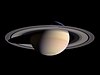 | 6th Planet | ||
| Moon |  | Earth I | In the Copernican system, the Moon was considered to be no longer a planet but a natural satellite of the Earth, and was originally thought to be the only body in that system whose revolution was not centered on the Sun. | |
17th centuryEdit
| 17th century | |||||
|---|---|---|---|---|---|
| Date | Name | Image | Permanent designation | Discoverer(s) and notes | |
| 1610s | |||||
| o: 7 January 1610 p: 13 March 1610 | Ganymede |  | Jupiter III | Galileo[9][10] discovered the Galilean moons. These satellites were the first celestial objects that were confirmed to orbit an object other than the Sun or Earth. Galileo saw Io and Europa as a single point of light on 7 January 1610; they were seen as separate bodies the following night.[11] | |
| Callisto |  | Jupiter IV | |||
| o: 8 January 1610 p: 13 March 1610 | Io |  | Jupiter I | ||
| Europa |  | Jupiter II | |||
| 1650s | |||||
| o: 25 March 1655 p: 5 March 1656 | Titan |  | Saturn VI Saturn II (1673–1684), Saturn IV (1686–1789) | Huygens[12] first "published" his discovery as an anagram, sent out on 13 June 1655; later published in pamphlet form as De Saturni luna Observatio Nova and in full in Systema Saturnium[13] (July 1659). | |
| 1670s | |||||
| o: 25 October 1671 p: 1673 | Iapetus |  | Saturn VIII Saturn III (1673–1684), Saturn V (1686–1789), Saturn VII (1789–1848) | Cassini[14] | |
| o: 23 December 1672 p: 1673 | Rhea |  | Saturn V Saturn I (1673–1684), Saturn III (1686–1789) | ||
| 1680s | |||||
| o: 21 March 1684 p: 22 April 1686 | Tethys |  | Saturn III Saturn I (1686–1789) | Cassini.[15] Together with his previous two discoveries, Cassini named these satellites Sidera Lodoicea. In his work Kosmotheôros[16] (published posthumously in 1698), Christiaan Huygens relates "Jupiter you see has his four, and Saturn his five Moons about him, all plac’d in their Orbits." | |
| Dione |  | Saturn IV Saturn II (1686–1789) | |||
| Date | Name | Image | Permanent designation | Discoverer(s) and notes | |
18th centuryEdit
| 18th century | ||||
|---|---|---|---|---|
| Date | Name | Image | Other/Permanent designation | Discoverer(s) and notes |
| 1780s | ||||
| o: March 13, 1781 p: April 26, 1781 | Uranus |  | 7th Planet | Herschel first reported the discovery of Uranus on April 26, 1781, initially believing it to be a comet.[17] |
| o: January 11, 1787 p: February 15, 1787 | Titania |  | Uranus III | Herschel.[18][19] He later reported four more spurious satellites.[20] |
| Oberon |  | Uranus IV | ||
| o: August 28, 1789[21] p: November 12, 1789 | Enceladus |  | Saturn II | Herschel[22] |
| o: September 17, 1789 p: November 12, 1789 | Mimas |  | Saturn I | |
| Date | Name | Image | Other/Permanent designation | Discoverer(s) and notes |
19th centuryEdit
| 19th century | ||||
|---|---|---|---|---|
| Date | Name | Image | Other/Permanent designation | Discoverer(s) and notes |
| 1800s | ||||
| o: January 1, 1801 p: January 24, 1801 | Ceres |  | 8th Planet (1801) Asteroid (1851) Dwarf planet (2006) | Giuseppe Piazzi. He first announced his discovery on January 24, 1801, in letters to fellow astronomers.[23] The first formal publication was the September 1801 issue of the Monatliche Correspondenz.[24] |
| 1840s | ||||
| o: September 23, 1846 p: November 13, 1846 | Neptune |  | 13th Planet (1846)[a] 8th Planet (1851) | Galle and Le Verrier[25][26] |
| o: October 10, 1846 p: November 13, 1846 | Triton |  | Neptune I | Lassell[27] |
| o: September 16, 1848 p: October 7, 1848 | Hyperion |  | Saturn VII | Bond, Bond,[28] Lassell[29] |
| 1850s | ||||
| o: October 24, 1851 | Ariel |  | Uranus I | Lassell[30] |
| Umbriel |  | Uranus II | ||
| 1870s | ||||
| o: August 12, 1877 | Deimos |  | Mars II | Hall[31][32][33] |
| o: August 18, 1877 | Phobos |  | Mars I | |
| 1890s | ||||
| o: September 9, 1892 p: October 4, 1892 | Amalthea |  | Jupiter V | Barnard[1][34] |
| i: August 16, 1898 o: March 17, 1899 | Phoebe |  | Saturn IX | Pickering[35][36] |
| Date | Name | Image | Other/Permanent designation | Discoverer(s) and notes |
- ^ At the time of Neptune's discovery, dwarf planet Ceres and asteroids Pallas, Juno, Vesta, and Astraea were counted as planets.
20th centuryEdit
1901–1950Edit
| Early 20th century | ||||
|---|---|---|---|---|
| Date | Name | Image | Permanent designation | Discoverer(s) and notes |
| 1900s | ||||
| i: December 3, 1904 p: January 6, 1905 | Himalia |  | Jupiter VI | Perrine[34][37][38] |
| i: January 2, 1905 p: February 27, 1905 | Elara |  | Jupiter VII | Perrine[34][38][39] |
| i: January 27, 1908 o: February 28, 1908 p: March 1–6, 1908 | Pasiphae |  | Jupiter VIII | Melotte[34][40][41] |
| 1910s | ||||
| i: July 21, 1914 p: September 17, 1914 | Sinope |  | Jupiter IX | Nicholson[34][42] |
| 1930s | ||||
| i: January 23, 1930 o: February 18, 1930 p: March 13, 1930 | Pluto |  | 9th Planet (1930) Dwarf planet (2006) | Tombaugh[43] |
| i: July 6, 1938 p: August 1938 | Lysithea |  | Jupiter X | Nicholson[34][44] |
| i: July 30, 1938 p: August 1938 | Carme |  | Jupiter XI | |
| 1940s | ||||
| i: February 16, 1948 p: June 1949 | Miranda |  | Uranus V | Kuiper[34][45] |
| i: May 1, 1949 p: August 1949 | Nereid |  | Neptune II | Kuiper[34][46][47] |
| Date | Name | Image | Permanent designation | Discoverer(s) and notes |
1951–2000Edit
| Late 20th century | |||||
|---|---|---|---|---|---|
| Date | Name | Temporary Designation | Image | Permanent Designation | Discoverer(s) and notes |
| 1950s | |||||
| i: September 28, 1951 p: December 1951 | Ananke | — |  | Jupiter XII | Nicholson[48][49] |
| 1960s | |||||
| i: December 15, 1966 p: January 3, 1967 | Janus* | S/1966 S 2 |  | Saturn X | Dollfus[48][50][51][52][53] (Dollfus may have seen either Janus or Epimetheus) |
| i: December 18, 1966 p: January 6, 1967 | Epimetheus* | S/1980 S 3 |  | Saturn XI | Walker[48][54] |
| 1970s | |||||
| i: September 11, 1974 p: September 20, 1974 | Leda | — | — | Jupiter XIII | Kowal[34][55] |
| i: September 30, 1975 p: October 3, 1975 | Themisto* | S/1975 J 1 |  | Jupiter XVIII | Kowal[34][56] (Discovered and then lost) |
| i: April 13, 1978 o: June 22, 1978 | Charon | S/1978 P 1 |  | Pluto I | Christy[57][58] |
| i: July 8, 1979 p: November 23, 1979 | Adrastea | S/1979 J 1 |  | Jupiter XV | Jewitt, Danielson, Voyager 2[51][59][60][61][62][63] |
| 1980s | |||||
| Date | Name | Temporary designation | Image | Permanent designation | Discoverer(s) and notes |
| i: February 26, 1980 p: March 6, 1980 | Epimetheus* | S/1980 S 3 | | Saturn XI | [48][53][64][65][66][67] (Confirmed by Voyager 1) |
| i: March 1, 1980 p: March 6, 1980 | Helene | S/1980 S 6 |  | Saturn XII | Laques, Lecacheux[34][64][65][66][67] |
| i: April 8, 1980 p: April 10, 1980 | Telesto | S/1980 S 13 |  | Saturn XIII | Smith, Reitsema, Larson, Fountain, Voyager 1[48][67][68] |
| i: March 5, 1979 p: April 28, 1980 | Thebe | S/1979 J 2 |  | Jupiter XIV | Synnott, Voyager 1[48][60][61] |
| i: February 19, 1980 p: June 6, 1980 | Janus* | S/1980 S 1 | | Saturn X | [51][53][65][66][67] (Confirmed by Voyager 1) |
| i: March 13, 1980 p: July 31, 1980 | Calypso | S/1980 S 25 |  | Saturn XIV | Pascu, Seidelmann, Baum, Currie[48][66][67] |
| i:March 4, 1979 p: August 26, 1980 | Metis | S/1979 J 3 |  | Jupiter XVI | Synnott, Voyager 1[48][61] |
| o: October 1980 p: October 31, 1980 | Prometheus | S/1980 S 27 |  | Saturn XVI | Collins, Voyager 1[69] |
| Pandora | S/1980 S 26 |  | Saturn XVII | Collins, Voyager 1[34][69] | |
| o: October 1980 p: November 13, 1980 | Atlas | S/1980 S 28 |  | Saturn XV | Terrile, Voyager 1[48][70] |
| i: May 24, 1981 p: May 29, 1981 | Larissa* | S/1981 N 1 S/1989 N 2 |  | Neptune VII | Reitsema, Hubbard, Lebofsky, Tholen, Voyager 2[34][71][72] |
| i: December 30, 1985 p: January 9, 1986 | Puck | S/1985 U 1 |  | Uranus XV | Synnott, Voyager 2[34][73] |
| i: January 3, 1986 p: January 16, 1986 | Juliet | S/1986 U 2 |  | Uranus XI | Synnott, Voyager 2[34][74][75] |
| Portia | S/1986 U 1 |  | Uranus XII | ||
| i: January 9, 1986 p: January 16, 1986 | Cressida | S/1986 U 3 | Uranus IX | ||
| i: January 13, 1986 p: January 16, 1986 | Desdemona | S/1986 U 6 |  | Uranus X | |
| Rosalind | S/1986 U 4 |  | Uranus XIII | ||
| Belinda | S/1986 U 5 |  | Uranus XIV | ||
| i: January 20, 1986 p: January 27, 1986 | Cordelia | S/1986 U 7 |  | Uranus VI | Terrile, Voyager 2[34][76] |
| Ophelia | S/1986 U 8 | Uranus VII | |||
| i: January 23, 1986 p: January 27, 1986 | Bianca | S/1986 U 9 |  | Uranus VIII | Smith, Voyager 2[34][76] |
| i: June 16, 1989 p: July 7, 1989 | Proteus | S/1989 N 1 |  | Neptune VIII | Synnott, Voyager 2[34][77] |
| i: July 28, 1989 p: August 2, 1989 | Despina | S/1989 N 3 |  | Neptune V | Synnott, Voyager 2[34][72] |
| Galatea | S/1989 N 4 |  | Neptune VI | ||
| i: September 18, 1989 p: September 29, 1989 | Thalassa | S/1989 N 5 |  | Neptune IV | Terrile, Voyager 2[34][78] |
| Naiad | S/1989 N 6 | Neptune III | |||
| 1990s | |||||
| Date | Name | Temporary designation | Image | Permanent designation | Discoverer(s) and notes |
| i: August 22, 1981 p: July 16, 1990 | Pan* | S/1981 S 13 |  | Saturn XVIII | Showalter, Voyager 2[34][79] |
| i: August 23, 1981 p: April 14, 1995 | Pallene* (see below) | S/1981 S 14 |  | Saturn XXXIII | Gordon, Murray and Beurle[34][80][81] |
| i: September 6, 1997 p: October 31, 1997 | Caliban | S/1997 U 1 |  | Uranus XVI | Gladman, Nicholson, Burns, Kavelaars[34][82] |
| Sycorax | S/1997 U 2 |  | Uranus XVII | Gladman, Nicholson, Burns, Kavelaars[82] | |
| i: January 18, 1986 p: May 18, 1999 | Perdita* | S/1986 U 10 |  | Uranus XXV | Karkoschka, Voyager 2[34][83] |
| i: July 18, 1999 p: July 27, 1999 | Setebos | S/1999 U 1 | — | Uranus XIX | Kavelaars, Gladman, Holman, Petit, Scholl[34][84] |
| Stephano | S/1999 U 2 | — | Uranus XX | Gladman, Holman, Kavelaars, Petit, Scholl[34][84] | |
| i: July 18, 1999 p: September 4, 1999 | Prospero | S/1999 U 3 |  | Uranus XVIII | Holman, Kavelaars, Gladman, Petit, Scholl[34][85] |
| 2000s | |||||
| Date | Name | Temporary designation | Image | Permanent designation | Discoverer(s) and notes |
| i: October 6, 1999 p: July 20, 2000 | Callirrhoe | S/1999 J 1 |  | Jupiter XVII | Scotti, Spahr, McMillan, Larsen, Montani, Gleason, Gehrels[34][86][87] |
| i: August 7, 2000 p: October 25, 2000 | Ymir | S/2000 S 1 | — | Saturn XIX | Gladman[34][88][89] |
| Paaliaq | S/2000 S 2 | — | Saturn XX | ||
| i: September 23, 2000 p: October 25, 2000 | Siarnaq | S/2000 S 3 | — | Saturn XXIX | Gladman, Kavelaars[34][90][91] |
| Tarvos | S/2000 S 4 |  | Saturn XXI | Kavelaars, Gladman[34][90][91] | |
| i: August 7, 2000 p: November 18, 2000 | Kiviuq | S/2000 S 5 |  | Saturn XXIV | Gladman[34][91][92] |
| i: September 23, 2000 p: November 18, 2000 | Ijiraq | S/2000 S 6 | — | Saturn XXII | Kavelaars, Gladman[34][91][92] |
| i: November 21, 2000 p: November 25, 2000 | Themisto* | S/2000 J 1 | | Jupiter XVIII | Sheppard, Jewitt, Fernández, Magnier (Rediscovered)[34][93][94] |
| i: September 23, 2000 p: December 7, 2000 | Thrymr | S/2000 S 7 |  | Saturn XXX | Gladman, Kavelaars[34][89][95] |
| Skathi | S/2000 S 8 | — | Saturn XXVII | Kavelaars, Gladman[34][89][95] | |
| Mundilfari | S/2000 S 9 |  | Saturn XXV | Gladman, Kavelaars[34][89][95] | |
| Erriapus | S/2000 S 10 | — | Saturn XXVIII | Kavelaars, Gladman[34][91][96] | |
| i: November 9, 2000 p: December 19, 2000 | Albiorix | S/2000 S 11 | — | Saturn XXVI | Holman, Spahr[34][97][98] |
| i: September 23, 2000 p: December 22, 2000 | Suttungr | S/2000 S 12 | — | Saturn XXIII | Gladman, Kavelaars[34][99][100] |
| Date | Name | Temporary designation | Image | Permanent designation | Discoverer(s) and notes |
21st centuryEdit
2000sEdit
| 2000s | |||||
|---|---|---|---|---|---|
| Date | Name | Temporary designation | Image | Permanent designation | Discoverer(s) and notes |
i: November 23, 2000 | Kalyke | S/2000 J 2 | — | Jupiter XXIII | Sheppard, Jewitt, Fernández, Magnier, Dahm, Evans[34][101][102][103] |
| Iocaste | S/2000 J 3 | — | Jupiter XXIV | ||
| Erinome | S/2000 J 4 | — | Jupiter XXV | ||
| Harpalyke | S/2000 J 5 | — | Jupiter XXII | ||
| Isonoe | S/2000 J 6 | — | Jupiter XXVI | ||
| Praxidike | S/2000 J 7 | — | Jupiter XXVII | ||
| i: November 25, 2000 p: January 5, 2001 | Megaclite | S/2000 J 8 | — | Jupiter XIX | Sheppard, Jewitt, Fernández, Magnier, Dahm, Evans[34][101][103] |
| Taygete | S/2000 J 9 | — | Jupiter XX | ||
| i: November 26, 2000 p: January 5, 2001 | Chaldene | S/2000 J 10 | — | Jupiter XXI | |
| i: December 5, 2000 p: January 5, 2001 | Dia | S/2000 J 11 | — | Jupiter LIII | |
| Date | Name | Temporary designation | Image | Permanent designation | Discoverer(s) and notes |
| i: December 9, 2001 p: May 16, 2002 | Hermippe | S/2001 J 3 | Jupiter XXX | Sheppard, Jewitt, Kleyna[34][104][105] | |
| Eurydome | S/2001 J 4 | — | Jupiter XXXII | ||
| Sponde | S/2001 J 5 | — | Jupiter XXXVI | ||
| Kale | S/2001 J 8 | — | Jupiter XXXVII | ||
| i: December 10, 2001 p: May 16, 2002 | Autonoe | S/2001 J 1 | — | Jupiter XXVIII | |
| i: December 11, 2001 p: May 16, 2002 | Thyone | S/2001 J 2 | — | Jupiter XXIX | |
| Pasithee | S/2001 J 6 | — | Jupiter XXXVIII | ||
| Euanthe | S/2001 J 7 | — | Jupiter XXXIII | ||
| Orthosie | S/2001 J 9 | — | Jupiter XXXV | ||
| Euporie | S/2001 J 10 | — | Jupiter XXXIV | ||
| Aitne | S/2001 J 11 | — | Jupiter XXXI | ||
| i: August 13, 2001 p: September 30, 2002 | Trinculo | S/2001 U 1 | — | Uranus XXI | Holman, Kavelaars, Milisavljevic[34][106][107] |
| i: October 31, 2002 p: December 18, 2002 | Arche | S/2002 J 1 | — | Jupiter XLIII | Sheppard, Meech, Hsieh, Tholen, Tonry[34][108][109] |
| Date | Name | Temporary designation | Image | Permanent designation | Discoverer(s) and notes |
| i: July 23, 2002 p: January 13, 2003 | Sao | S/2002 N 2 | — | Neptune XI | Holman, Kavelaars, Grav, Fraser, Milisavljevic[34][110][111] |
| i: August 10, 2002 p: January 13, 2003 | Halimede | S/2002 N 1 | — | Neptune IX | |
| i: August 11, 2002 p: January 13, 2003 | Laomedeia | S/2002 N 3 | — | Neptune XII | |
| i: February 5, 2003 p: March 4, 2003 | Eukelade | S/2003 J 1 | — | Jupiter XLVII | Sheppard, Jewitt, Kleyna, Fernández, Hsieh[34][112][113] |
| (unnamed moon of Jupiter) | S/2003 J 2 | — | — | ||
| Eupheme | S/2003 J 3 | — | Jupiter LX | ||
| (unnamed moon of Jupiter) | S/2003 J 4 | — | — | ||
| i: February 6, 2003 p: March 4, 2003 | Eirene | S/2003 J 5 | — | Jupiter LVII | |
| Helike | S/2003 J 6 | — | Jupiter XLV | ||
| i: February 8, 2003 p: March 4, 2003 | Aoede | S/2003 J 7 | — | Jupiter XLI | |
| i: February 8, 2003 p: March 6, 2003 | Hegemone | S/2003 J 8 | — | Jupiter XXXIX | Sheppard, Jewitt, Kleyna, Fernández[34][114][115] |
| i: February 6, 2003 p: March 7, 2003 | (unnamed moons of Jupiter) | S/2003 J 9 | — | — | Sheppard, Jewitt, Kleyna, Fernández[34][116][117] |
| S/2003 J 10 | — | ||||
| Kallichore | S/2003 J 11 | — | Jupiter XLIV | ||
| i: February 8, 2003 p: March 7, 2003 | (unnamed moon of Jupiter) | S/2003 J 12 | — | — | |
| i: February 9, 2003 p: April 2, 2003 | Cyllene | S/2003 J 13 | — | Jupiter XLVIII | Sheppard, Jewitt, Kleyna[34][118][119] |
| i: February 8, 2003 p: April 3, 2003 | Kore | S/2003 J 14 | — | Jupiter XLIX | Sheppard, Jewitt, Kleyna[34][118][120] |
| i: February 6, 2003 p: April 3, 2003 | Philophrosyne | S/2003 J 15 | — | Jupiter LVIII | Sheppard, Jewitt, Kleyna, Fernández[118][121] |
| (unnamed moon of Jupiter) | S/2003 J 16 | — | — | Gladman, Sheppard, Jewitt, Kleyna, Kavelaars, Petit, Allen[118][122] | |
| i: February 8, 2003 p: April 3, 2003 | Herse | S/2003 J 17 | — | Jupiter L | Gladman, Sheppard, Jewitt, Kleyna, Kavelaars, Petit, Allen[34][118][123] |
| i: February 6, 2003 p: April 4, 2003 | (unnamed moon of Jupiter) | S/2003 J 18 | — | Jupiter LV | Gladman, Kavelaars, Petit, Allen, Sheppard, Jewitt, Kleyna[34][118][124] |
| i: February 5, 2003 p: April 8, 2003 | Narvi | S/2003 S 1 | — | Saturn XXXI | Sheppard, Jewitt, Kleyna[34][118][125] |
| i: February 6, 2003 p: April 12, 2003 | (unnamed moon of Jupiter) | S/2003 J 19 | — | Jupiter LXI | Gladman, Sheppard, Jewitt, Kleyna, Kavelaars, Petit, Allen[126][127] |
| i: February 9, 2003 p: April 14, 2003 | Carpo | S/2003 J 20 | — | Jupiter XLVI | Sheppard, Gladman, Kavelaars, Petit, Allen, Jewitt, Kleyna[34][126][128] |
| i: February 6, 2003 p: May 29, 2003 | Mneme | S/2003 J 21 | — | Jupiter XL | Sheppard, Jewitt, Kleyna, Gladman, Kavelaars, Petit, Allen[34][129][130] |
| i: January 18, 1986 p: September 3, 2003 | Perdita* | S/1986 U 10 | — | Uranus XXV | Karkoschka (Recovered by the Hubble Space Telescope)[34][83][131] |
| i: August 29, 2003 p: September 3, 2003 | Psamathe | S/2003 N 1 | — | Neptune X | Jewitt, Kleyna, Sheppard, Holman, Kavelaars[34][132][133] |
| i: August 25, 2003 p: September 25, 2003 | Mab | S/2003 U 1 | — | Uranus XXVI | Showalter, Lissauer[134] |
| Cupid | S/2003 U 2 | — | Uranus XXVII | ||
| i: August 13, 2001 p: September 30, 2003 | Ferdinand* | S/2001 U 2 | Uranus XXIV | 2001: Holman, Kavelaars, Milisavljevic; 2003: Sheppard, Jewitt[34][135][136] | |
| i: August 14, 2002 p: September 30, 2003 | Neso* | S/2002 N 4 | — | Neptune XIII | Holman, Kavelaars, Grav, Fraser, Milisavljevic[34][135][137] |
| i: August 13, 2001 p: October 8, 2003 | Francisco* | S/2001 U 3 | Uranus XXII | Holman, Kavelaars, Milisavljevic, Gladman[34][138] | |
| i: August 29, 2003 p: October 9, 2003 | Margaret | S/2003 U 3 | — | Uranus XXIII | Sheppard, Jewitt, Holman, Kavelaars[34][139][140] |
| Date | Name | Temporary designation | Image | Permanent designation | Discoverer(s) and notes |
| i: February 9, 2003 p: January 24, 2004 | Thelxinoe* | S/2003 J 22 | — | Jupiter XLII | Sheppard, Jewitt, Kleyna, Gladman, Kavelaars, Petit, Allen[34][141][142] |
| i: February 6, 2003 p: January 31, 2004 | (unnamed moon of Jupiter) | S/2003 J 23* | — | Sheppard, Jewitt, Kleyna, Fernández[143][144] | |
| i: June 1, 2004 p: August 16, 2004 | Methone* | S/2004 S 1 | Saturn XXXII | Cassini–Huygens[34][145][146] | |
| Pallene | S/2004 S 2 =S/1981 S 14 | Saturn XXXIII | |||
| i: October 21, 2004 o: October 24, 2004 p: November 8, 2004 | Polydeuces | S/2004 S 5 | Saturn XXXIV | Cassini–Huygens[34][147] | |
| i:March 7, 2003 o:July 27, 2005 i: May 6, 2004 o: December 28, 2004 p: July 29, 2005 | Haumea | (136108) 2003 EL61 | — | Dwarf planet | (Ortiz, Aceituno Castro, Santos-Sanz)[34][148] or (Brown, Trujillo, Rabinowitz)[149][150] (see the Controversy over the discovery of Haumea) |
| Date | Name | Temporary designation | Image | Permanent designation | Discoverer(s) and notes |
| i: December 12, 2004 p: May 3, 2005 | (unnamed moon of Saturn) | S/2004 S 7 | — | — | Sheppard, Jewitt, Kleyna, Marsden[34][151] |
| Fornjot | S/2004 S 8 | Saturn XLII | |||
| Farbauti | S/2004 S 9 | — | Saturn XL | ||
| Aegir | S/2004 S 10 | — | Saturn XXXVI | ||
| Bebhionn | S/2004 S 11 | Saturn XXXVII | |||
| (unnamed moons of Saturn) | S/2004 S 12 | — | — | ||
| S/2004 S 13 | |||||
| Hati | S/2004 S 14 | — | Saturn XLIII | ||
| Bergelmir | S/2004 S 15 | Saturn XXXVIII | |||
| i: December 13, 2004 p: May 3, 2005 | Fenrir | S/2004 S 16 | — | Saturn XLI | |
| (unnamed moon of Saturn) | S/2004 S 17 | — | — | ||
| Bestla | S/2004 S 18 | — | Saturn XXXIX | ||
| i: May 1, 2005 p: May 6, 2005 | Daphnis | S/2005 S 1 | Saturn XXXV | Cassini–Huygens[152] | |
| i: October 21, 2003 o: January 5, 2005 p: July 29, 2005 | Eris | (136199) 2003 UB313 | Dwarf planet | Brown, Trujillo, Rabinowitz[34][149][153] | |
| o: January 26, 2005 p: July 29, 2005 | Hiʻiaka | S/2005 (136108) 1 | — | Haumea I | Brown, Trujillo, Rabinowitz[34][154] |
| i: March 31, 2005 p: July 29, 2005 | Makemake | (136472) 2005 FY9 | — | Dwarf planet | Brown, Trujillo, Rabinowitz[149][155] |
| o: June 30, 2005 p: July 29, 2005 | Namaka | S/2005 (136108) 2 | — | Haumea II | Brown, Trujillo, Rabinowitz[156] |
| i: September 10, 2005 p: October 3, 2005 | Dysnomia | S/2005 (136199) 1 | Eris I | Brown, van Dam, Bouchez, Le Mignant, Campbell, Chin, Conrad, Hartman, Johansson, Lafon, Rabinowitz, Stomski, Summers, Trujillo, Wizinowich[157] | |
| i: May 15, 2005 o: June 15, 2005 p: October 31, 2005 | Nix | S/2005 P 2 | Pluto II | Weaver, Stern, Mutchler, Steffl, Buie, Merline, Spencer, Young, Young[158] | |
| Hydra | S/2005 P 1 | Pluto III | |||
| Date | Name | Temporary designation | Image | Permanent designation | Discoverer(s) and notes |
| i: December 12, 2004 o: March 6, 2006 (?) p: June 26, 2006 | Hyrrokkin | S/2004 S 19 | — | Saturn XLIV | Sheppard, Jewitt, Kleyna[34][159][160] |
| i: January 4, 2006 o: March 6, 2006 (?) p: June 26, 2006 | (unnamed moon of Saturn) | S/2006 S 1 | — | — | Sheppard, Jewitt, Kleyna[34][160][161] |
| Kari | S/2006 S 2 | Saturn XLV | |||
| i: January 5, 2006 o: March 6, 2006 (?) p: June 26, 2006 | (unnamed moon of Saturn) | S/2006 S 3 | — | — | |
| Greip | S/2006 S 4 | — | Saturn LI | ||
| Loge | S/2006 S 5 | — | Saturn XLVI | ||
| Jarnsaxa | S/2006 S 6 | — | Saturn L | ||
| Surtur | S/2006 S 7 | — | Saturn XLVIII | ||
| Skoll | S/2006 S 8 | — | Saturn XLVII | ||
| i: January 5, 2006 o: January 16, 2007 (?) p: April 13, 2007 | Tarqeq | S/2007 S 1 | — | Saturn LII | Sheppard, Jewitt, Kleyna[34][162][163] |
| i: January 18, 2007 o: ? p: May 1, 2007 | (unnamed moons of Saturn) | S/2007 S 2 | — | — | Sheppard, Jewitt, Kleyna[163][164] |
| S/2007 S 3 | — | — | |||
| i: June 2004 o: May 30, 2007 p: July 18, 2007 | Anthe | S/2007 S 4 | Saturn XLIX | Cassini–Huygens[34][165] | |
| i: August 15, 2008 p: March 3, 2009 | Aegaeon | S/2008 S 1 | Saturn LIII | Cassini–Huygens[34][166] | |
| i: July 26, 2009 o: ? p: November 2, 2009 | (unnamed moon of Saturn) | S/2009 S 1 | — | Cassini–Huygens[167] | |
| Date | Name | Temporary designation | Image | Permanent designation | Discoverer(s) and notes |
2010sEdit
| 2010s | |||||
|---|---|---|---|---|---|
| Date | Name | Temporary designation | Image | Permanent designation | Discoverer(s) and notes |
i: September 7, 2010 | (unnamed moons of Jupiter) | S/2010 J 1 | — | Jupiter LI | Jacobson, Brozović, Gladman and Alexandersen[168] |
| S/2010 J 2 | — | Jupiter LII | Veillet[168] | ||
i: June 28, 2011 | Kerberos | S/2011 (134340) 1 | Pluto IV | Showalter[169][170] | |
i: September 27, 2011 | (unnamed moons of Jupiter) | S/2011 J 1 | — | Jupiter LXXII | Sheppard[171] |
| S/2011 J 2 | — | Jupiter LVI | |||
i: June 26, 2012 | Styx | S/2012 (134340) 1 | Pluto V | Showalter[172] | |
i: 2004 | Hippocamp* | S/2004 N 1 | Neptune XIV | Showalter et al.[173] | |
i: April 2015 | (unnamed moon of Makemake) | S/2015 (136472) 1 | — | — | Parker et al.[174][175] |
| i: March 8, 2016 p: June 2, 2017 | (unnamed moons of Jupiter) | S/2016 J 1 | — | Jupiter LIV | Sheppard et al.[176][177][178][179][180][181][182][183][184][185][186][187] |
| i: March 23, 2017 p: June 5, 2017 | S/2017 J 1 | — | Jupiter LIX | ||
| i: March 9, 2016 p: July 17, 2018 | Valetudo | S/2016 J 2 | — | Jupiter LXII | |
| i: February 5, 2016 o: March 23, 2017 p: July 17, 2018 | (unnamed moons of Jupiter) | S/2017 J 2 | — | Jupiter LXIII | |
| i: February 5, 2016 o: March 23, 2017 p: July 17, 2018 | S/2017 J 3 | — | Jupiter LXIV | ||
| i: March 23, 2017 p: July 17, 2018 | Pandia | S/2017 J 4 | — | Jupiter LXV | |
| i: March 23, 2017 p: July 17, 2018 | (unnamed moons of Jupiter) | S/2017 J 5 | — | Jupiter LXVI | |
| i: February 24, 2017 o: March 23, 2017 p: July 17, 2018 | S/2017 J 6 | — | Jupiter LXVII | ||
| i: February 24, 2017 o: March 23, 2017 p: July 17, 2018 | S/2017 J 7 | — | Jupiter LXVIII | ||
| i: March 23, 2017 p: July 17, 2018 | S/2017 J 8 | — | Jupiter LXIX | ||
| i: February 24, 2017 o: March 23, 2017 p: July 17, 2018 | S/2017 J 9 | — | Jupiter LXX | ||
| i: March 25, 2017 o: May 11, 2018 p: July 17, 2018 | Ersa | S/2018 J 1 | — | Jupiter LXXI | |
| i: December 12, 2004 p: October 7, 2019 | (unnamed moons of Saturn) | S/2004 S 20 | — | Saturn LIV | Sheppard, Jewitt, Kleyna[188] |
| S/2004 S 21 | — | — | |||
| S/2004 S 22 | — | — | |||
| S/2004 S 23 | — | — | |||
| S/2004 S 24 | — | — | |||
| S/2004 S 25 | — | — | |||
| S/2004 S 26 | — | — | |||
| S/2004 S 27 | — | — | |||
| S/2004 S 28 | — | — | |||
| S/2004 S 29 | — | — | |||
| S/2004 S 30 | — | — | |||
| i: December 12, 2004 p: October 8, 2019 | |||||
| S/2004 S 31 | — | — | |||
| S/2004 S 32 | — | — | |||
| S/2004 S 33 | — | — | |||
| S/2004 S 34 | — | — | |||
| S/2004 S 35 | — | — | |||
| S/2004 S 36 | — | — | |||
| S/2004 S 37 | — | — | |||
| S/2004 S 38 | — | — | |||
| S/2004 S 39 | — | — | |||
| Date | Name | Temporary designation | Image | Permanent designation | Discoverer(s) and notes |
| This article uses material from the Wikipedia article Metasyntactic variable, which is released under the Creative Commons Attribution-ShareAlike 3.0 Unported License. |